
Recovery from addiction or any sort of behavioral health affliction is a deeply personal journey. And in many cases, that journey isn’t linear. There’s a misconception that once someone achieves recovery, their journey is done and they will be set for the rest of their life. Unfortunately, this isn’t realistic for most people.
The truth is that recovery is often a lifelong journey peppered with ups and downs, progress, setbacks and mistakes. However, setbacks and mistakes don’t always mean failure. They can help identify and provide insight into triggers and build self-compassion and patience that can ultimately help someone overcome their affliction.
At the LHSFNA, a lot of our work centers around supporting the mental and emotional health and well-being of LIUNA members and their families. We’re well-aware of the mental health crisis that affects our industry, and we know that due to the culture of the construction industry, it can be difficult for people to ask for help when they need it. That’s why we work to destigmatize mental illness and substance use disorder, show people that it’s ok to reach out and show that someone is there to help.
Sharing stories of people who have been through similar struggles is one powerful way to achieve this. Seeing someone who has made mistakes and was able to turn their life around lets others know that they can do it too, and that they’re not alone.
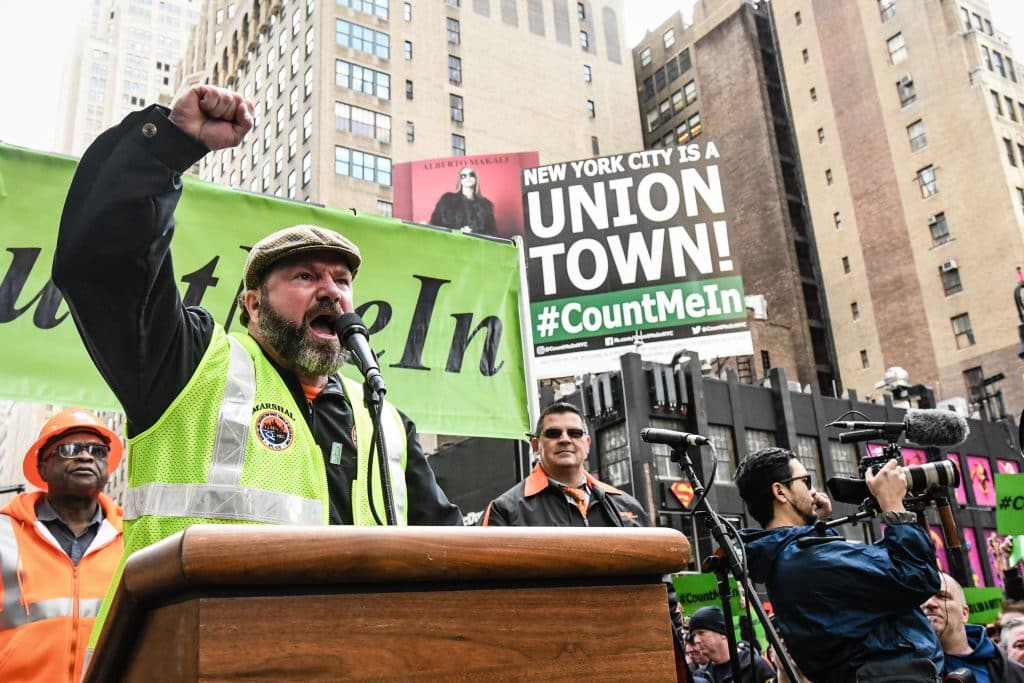
We had the chance to speak with the Eastern Region’s Assistant Regional Manager Bernard Callegari – a Laborer who just achieved 15 years of recovery – about his long, winding road to recovery from addiction, what he learned and how he’s been able to sustain recovery. Below are excerpts from the interview, edited for clarity.
Can you provide an overview of your path to recovery?
My first attempt at recovery happened when I was 16 years old. I was serving a couple of years at a juvenile detention center and was sent to rehab. I’ve pretty much been in and out of recovery since then. I’ve made it to one year seven times, I’ve celebrated two years three times and made it to three years twice. And now I’ve been clean for 15 years.
What did you do differently that finally made it ‘stick?’
I’ve relapsed – and almost died from overdose – multiple times. I recognized that every time I relapsed, I was rolling the dice. I was married, I have kids and they’ve always played a big part in me wanting to get up, try again and be better. I grew up without a dad and I didn’t want that for them; I wanted to be in their life and be an active father, and I couldn’t do that if I was using. So it wasn’t just about not using anymore, it was about pursuing the life that I wanted to live.
An analogy that comes to mind is this: someone goes to the doctor for a routine checkup and finds out they’re prediabetic and if they don’t change their lifestyle, they’re going to get a life-threatening disease. Ideally, that person chooses to surrender to that and make the healthy changes needed to ultimately live a life that’s much better than the one they were living before. That’s what I had to do.
I think this time around, I finally recognized that and bought into the whole concept of recovery. I realized that I needed to work on myself and start making choices that aligned with who I wanted to be. The 12-step program for addiction was really helpful for me and I still reference those principles today.
The recovery journey can be full of setbacks. How did you get yourself back on track when you relapsed? How do you manage triggers to this day?
One quote that’s really stuck with me throughout my journey is ‘it’s a lot easier to run from the life you hate than to build the life you love.’ And when I reflect on my setbacks in the past, I recognize that in addiction, I was running from what I hated. I felt like I had been dealt a sh*t hand at life and that the world owed me something. In a lot of ways, I was immature and selfish and it was easier to turn to drugs and alcohol than to address my own shortcomings as a person and the role they were playing in my life.
The shorter answer is that maturity and working on myself has put me in a position where I can make decisions that come from integrity instead of my own selfish needs. When I’m feeling guilty or uncomfortable, I can recognize that and work through it differently instead of automatically turning to something that will numb the pain.
You spoke about how being in recovery or having faced significant adversity helped you improve as a person. What are some qualities you think someone in your position might possess that sets them apart from others?
I really believe in the ability to flip the adversity that comes with addiction and use it for good. There are so many things that come out of surviving addiction that I think set people apart from folks who haven’t been in this situation. For example, because my life has been hard, it takes a lot to get me off my game. I have a sense of resilience and perspective that allows me to remain calm and confident.
Gratitude also plays a role. When you struggle with addiction and face serious consequences for it, you come out on the other side with a profound sense of gratitude for the chance you’ve been given, because you realize that chance wasn’t guaranteed. I think that translates into work, too. If you hire a recovering addict, they work hard not just because they’re afraid to get laid off, but also because they want to repay you for the chance you gave them. The principles of recovery are the same principles that would make anyone a good employee: humility, gratitude, trust, honesty and integrity.
Do you have any parting advice or words of wisdom for anyone suffering from substance use disorder or pursuing recovery?
I want to be clear that everything I am and do today was learned. I’m not the originator of these principles and I’ve made a lot of mistakes in my life. But I want to tell people in my shoes that you’re worth it. You’re worth giving yourself a shot, and often that starts with just asking for help. When you’re at your lowest moment, it can be hard to see the value in yourself or why anyone would help you. But you are worth it and people want to help. To anyone contemplating relapsing, I would ask this: with everything on the line, why take the chance?
I think another part of sustaining recovery is learning to find happiness. I’ve learned to do that in two ways. One is through hard work and putting myself into difficult situations voluntarily. The sense of reward when I challenge myself and succeed is incredibly fulfilling. Secondly, I’ve learned how to be genuinely happy for other people. I could have a horrible day and everything can go wrong, but I have so many people in my life that I get good news from all the time. And because of that, I have so many moments throughout my day where I feel joy because I’m celebrating other people’s lives. And that’s so contrary to the self-centered nature of addiction.
I’ve always, always looked for the easy way out, but there’s no fulfillment in the easy way. That right there is my whole journey in a nutshell. And that’s why I do all the things I do today.
For more resources on overcoming behavioral health issues, reach out to our Health Promotion Division or check out our Mental & Emotional Health resource page. If you’re looking to help support someone struggling with their behavioral health, consider starting or suggesting your Region start a LEAN program. For more on LEAN LIUNA, click here.
[Hannah Sabitoni]
