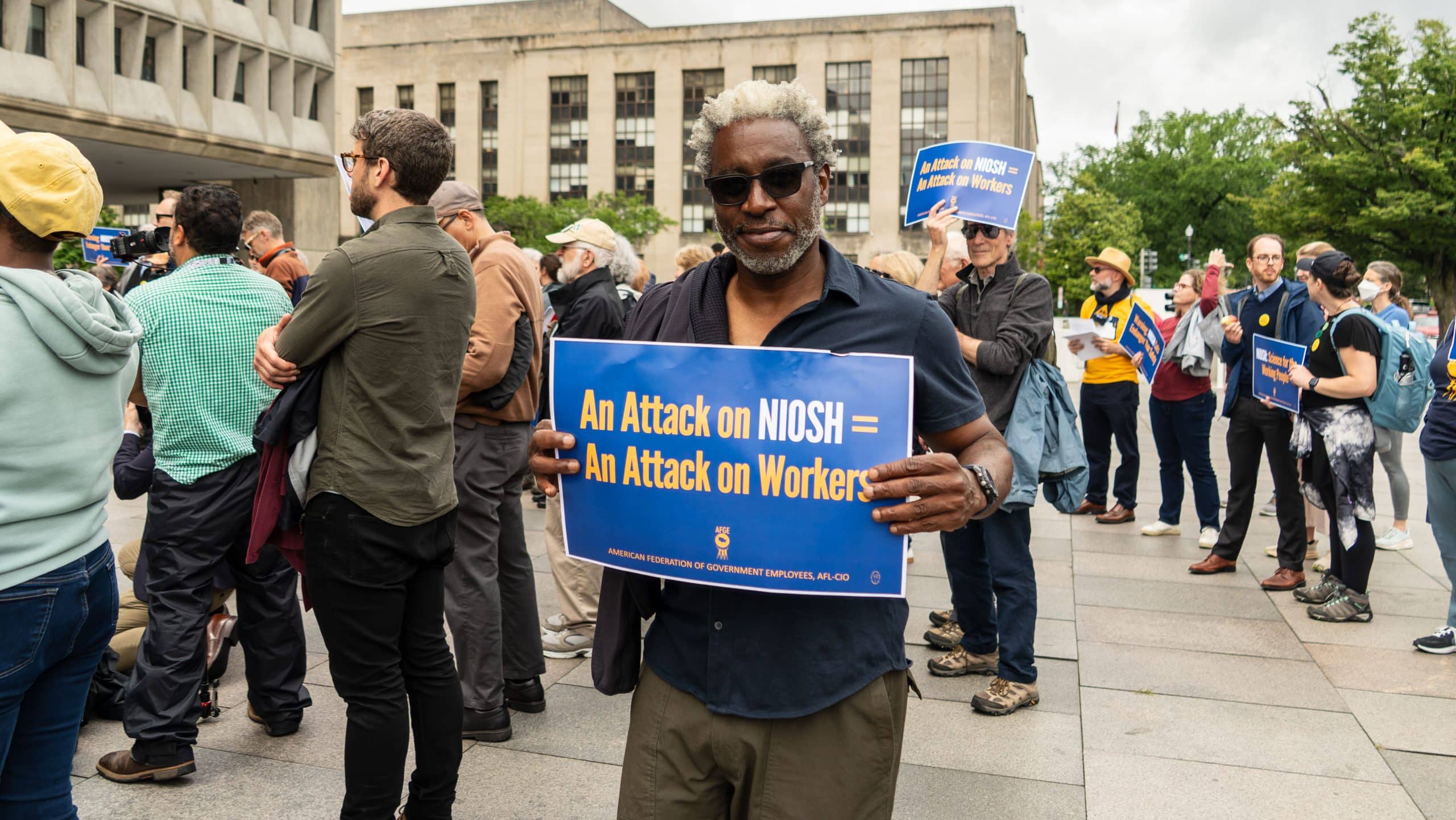
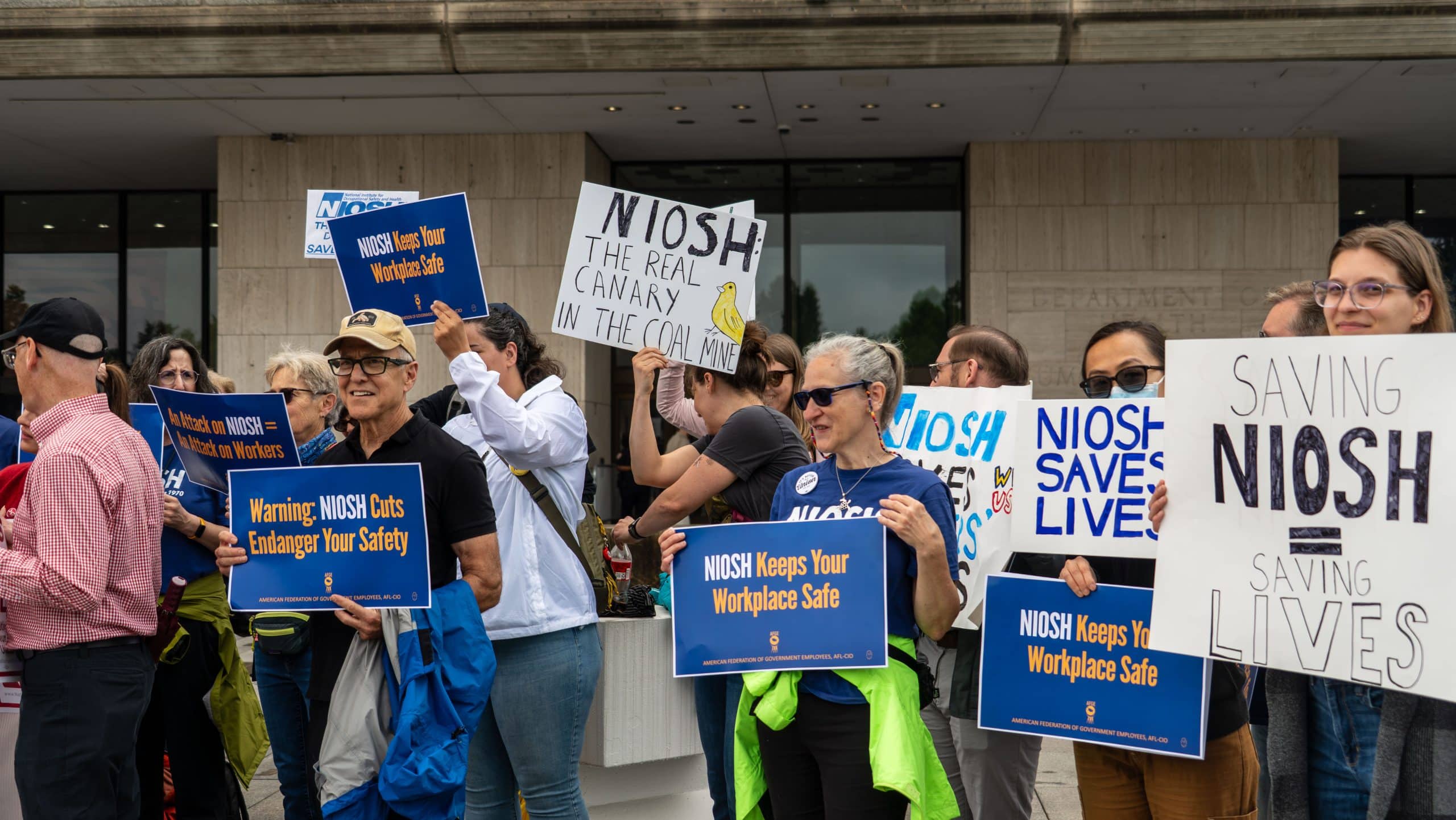
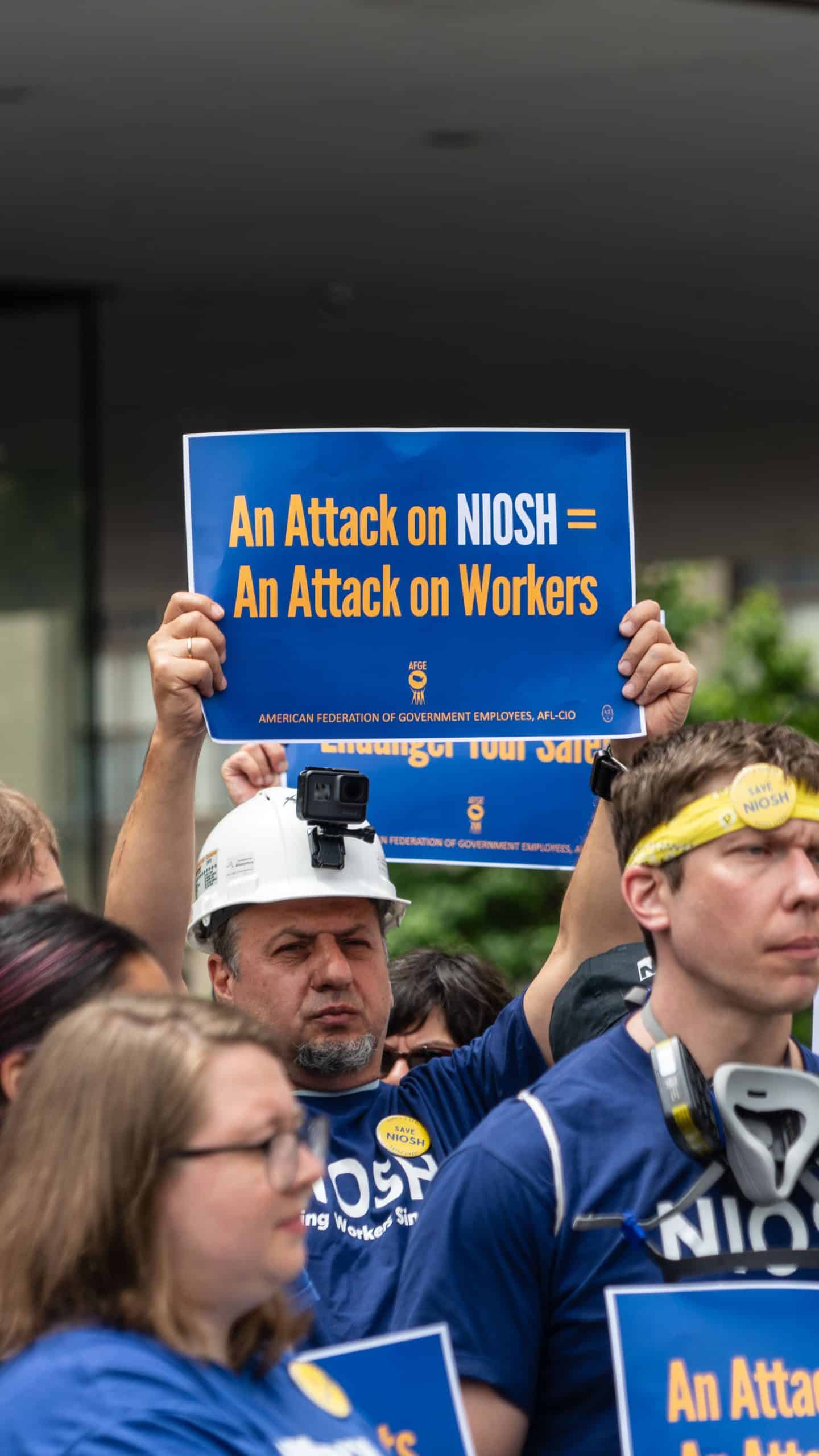
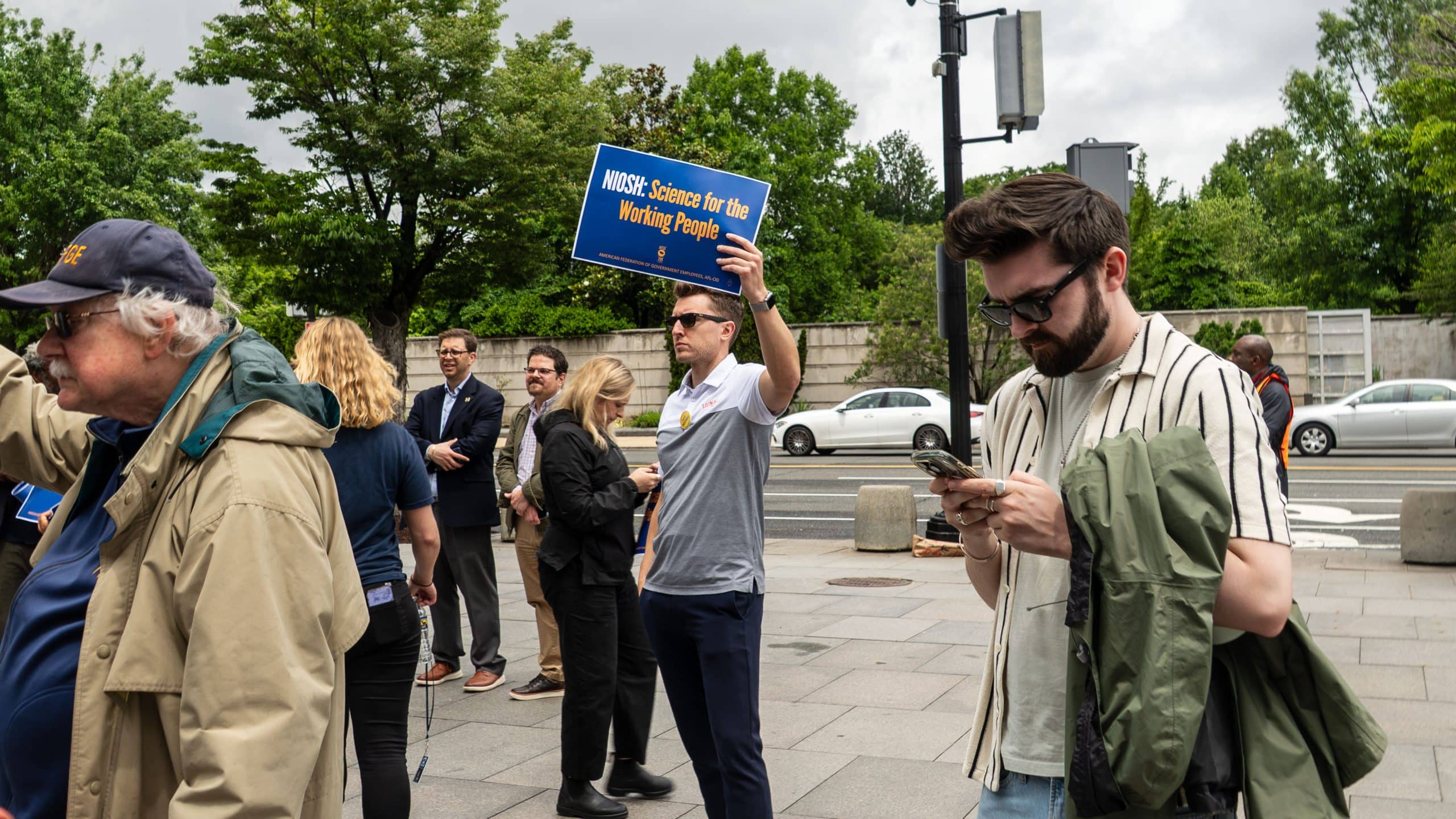
In 1970, Congress created the National Institute for Occupational Safety and Health (NIOSH) with a straightforward mandate: use science to keep workers alive and healthy. More than 50 years later, NIOSH’s research, recommendations and certification programs have influenced almost every aspect of workplace safety in the U.S., and arguably around the world.
In March, sweeping Department of Health & Human Services (HHS) layoffs eliminated roughly 850 of NIOSH’s 1,000 scientists, physicians, engineers and support staff in the name of ‘efficiency’ and saving money. NIOSH is the sole federal agency in the U.S. tasked with conducting research on and making evidence‑based recommendations to prevent work‑related injury, illness and death. Independent analysts estimate that every federal dollar invested in NIOSH returns $4–$6 in avoided medical costs and productivity losses. In 2024, the agency’s budget was $362.8 million, which equates to roughly $2 for each of the U.S.’s 161 million workers.
“For more than half a century, NIOSH has been the quiet engineer behind America’s safest workplaces. Dismantling it to save a fraction of the federal budget is a false promise that trades claimed savings for long‑term costs in lives, livelihoods and global competitiveness.”

LHSFNA Management Co-Chairman
The layoffs caused several NIOSH labs to shut down, effectively paralyzing the agency and halting its critical research efforts. In Pittsburgh, Pennsylvania, respirator certification and approval at the National Personal Protective Technology Laboratory (NPPTL)—the only U.S. lab authorized to test and certify respiratory personal protective equipment (PPE)—came to a halt. Without NIOSH approval, the safety and effectiveness of a respirator cannot be guaranteed, leaving frontline workers at risk of being exposed to airborne pathogens and toxic chemicals on the job.
Inhalation and toxicology exposure labs in Morgantown, West Virginia also shuttered as a result of the layoffs. These labs study the health effects of workplace chemical exposures, including long-term studies on emerging chemicals, wildfire smoke and black lung disease. In addition, all four NIOSH radiography teams were furloughed, pausing black lung screenings for 20,000 miners annually and jeopardizing early‑detection efforts.
The 9/11 World Trade Center Health Program was also impacted by the reduction in force. NIOSH employs doctors who participate in the review process of 9/11 first responders who have developed chronic illnesses—a group which includes brave LIUNA members. This ensures survivors can qualify for care under the World Trade Center Health Program
In response to these devastating cuts, over 460 organizations—including unions, trade associations, lawmakers and even manufacturers—rallied to get NIOSH workers reinstated. Through letters, lawsuits and public outcry, our industry continues to urge Congress and this administration to reverse the layoffs and preserve NIOSH’s vital mission. This strong, bipartisan, cross-industry effort is making progress. HHS recently reinstated over 300 employees working on respirator certification, black lung disease and the 9/11 World Trade Center Health Program.
This is a step in the right direction, but it falls short of what is needed, which is the full restoration of NIOSH’s foundational programs and staff. The health and safety infrastructure needed to protect American workers depends on a fully functional NIOSH. Especially at this critical time when emerging technologies, new disease outbreaks, increased extreme weather and changes in workplace demographics all bring the potential for more workplace hazards, not less.
NIOSH has played a vital role in preventing heat-related worker deaths and illnesses. Their pioneering work—including the foundational physiological research for OSHA standards, acclimatization best practices and the internationally recognized Wet Bulb Globe Temperature (WBGT) guidelines—have defined heat safety. The OSHA-NIOSH Heat Safety phone app exemplifies their commitment to providing real-time heat index data with life-saving work-rest recommendations.
Another one of NIOSH’s unique services is the Health Hazard Evaluation (HHE) program, through which NIOSH responds to requests from workers, employers and government agencies to assess potential workplace health risks. These onsite studies determine whether workers are overexposed to hazardous materials or subjected to harmful conditions. NIOSH also conducts Fatality Assessment and Control Evaluation (FACE) investigations, which analyze selected fatal occupational injuries to pinpoint hazards and form preventative recommendations for the future.
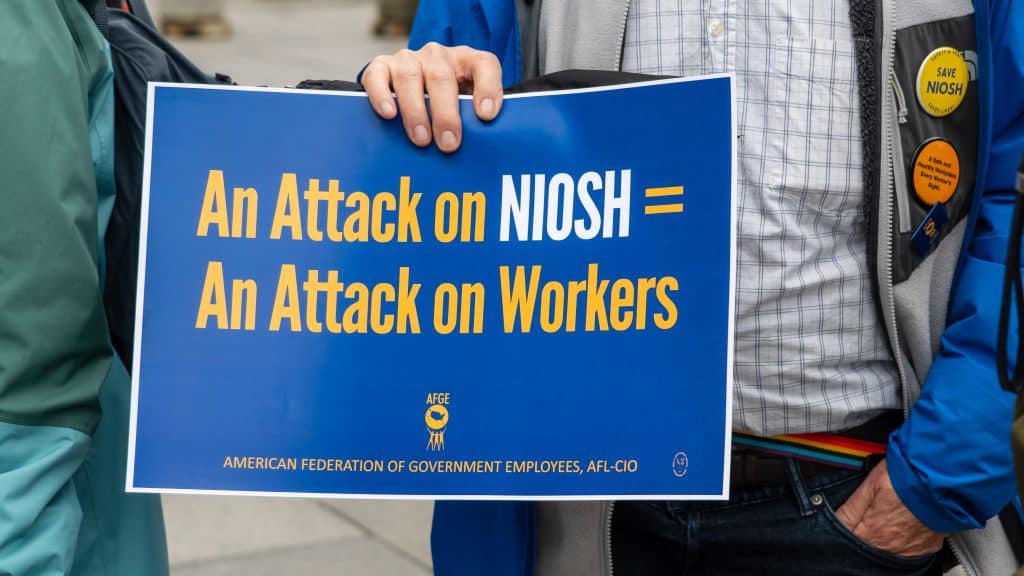
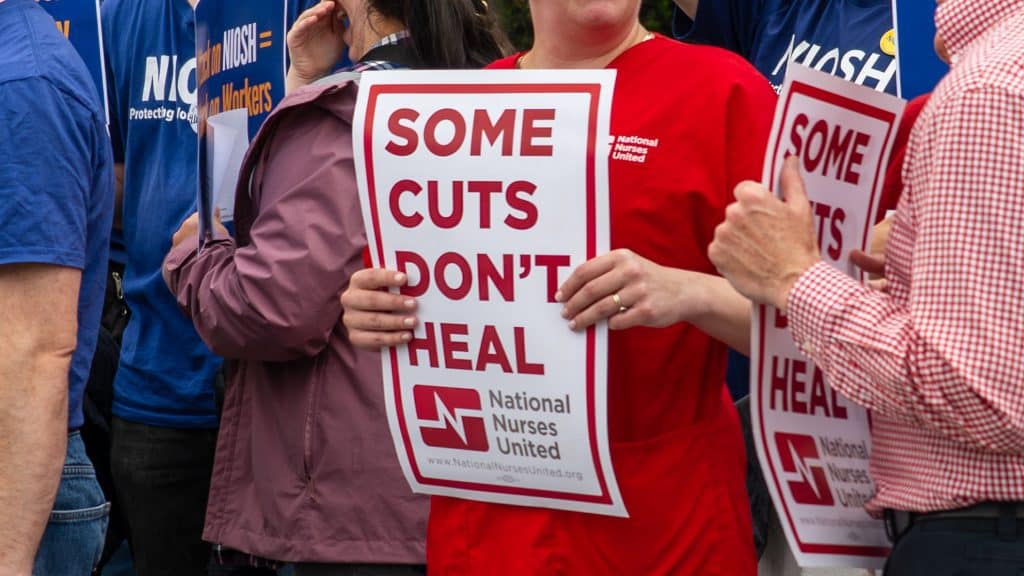
NIOSH also fosters critical collaboration and vital innovation through the National Occupational Research Agenda (NORA). NORA works to translate crucial research insights into practical, real-world solutions that directly benefit working people. The LHSFNA has served as a proud partner on numerous essential NORA initiatives, including the Construction Sector Council and Cross-Section Councils on Cancer, Reproductive, Cardiovascular and Chronic Disease Prevention, among others. These collaborative efforts have significantly contributed to reducing workplace injury and illness among LIUNA members, safeguarding their health and well-being on the job.
Workplace safety is not a political issue, it’s an American issue. Advances in workplace safety and health will not manifest from funding cuts, reduced education or stagnation in the fields of science and technology.
There is a clear choice to make—invest in evidence-based prevention and restore a fully functioning NIOSH or pay the price in preventable injury and disease in the future.
[Nate Schreiber]