
Working outdoors comes with real exposures that affect how people feel and live, both on and off the clock.
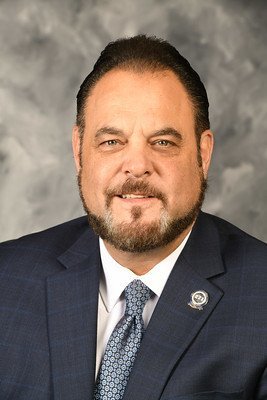
“Focused workers build safer jobs. Preventing heat illness and sun damage protects our members and production on your project,” said LIUNA General Secretary-Treasurer and LHSFNA Trustee Michael F. Sabitoni. “As leaders, you set the tone to support your workers. Protecting workers from the sun and heat isn’t just about comfort, it’s about helping them do their best work safely every day.”
Even when not severe, outdoor hazards such as insect bites and sunburns can take a toll on workers. Insect bites in particular are common, but often overlooked; they can cause itching, swelling and, in some cases, they can lead to allergic reactions or diseases such as Lyme Disease. Similarly, sunburn is also more than just a short-term irritation. It can cause pain and make it uncomfortable to perform everyday activities like work, exercise and even sleeping. These hazards might be dismissed as ‘just part of the job’, but they shouldn’t be ignored.
Without proper precautions, repeated outdoor hazard exposures can lead to more serious health issues. For example, exposure to UV radiation on the job can increase skin cancer risk by about 60 percent, and about 50 percent of American outdoor workers reported getting sunburn. And the longer someone works outdoors without protection, the greater their lifetime risk for developing skin cancer. For Laborers who spend time working outside, this can be a big issue. According to the World Health Organization and International Labor Organization, one in three deaths globally from non-melanoma skin cancer is linked to working outdoors. Of those deaths, 65 percent of people were male and suffered skin damage from years of chronic on-the-job UV exposure.
These statistics remind us why it’s important for employers to provide workers with the education and tools to protect themselves from outdoor hazards. However, in addition to carrying health risks, outdoor hazards also impact how well people work outside (like construction laborers and many public employee members do). In minor cases, things like bug bites or sunburns can be distracting, reduce focus, make personal protective equipment uncomfortable and affect overall morale, which can lead to slower work, more mistakes and a greater risk of injury. In serious cases, workers may need time away for medical appointments, have physical limits during recovery and might experience stress that affects concentration.
Working outdoors without proper precautions has a clear, measurable impact on productivity. Studies show that productivity can drop by as much as 41 percent when working in excessive heat. This becomes more serious when temperatures climb above 82℉ or ambient temperatures pass 95℉. At these temperatures, workers experience fatigue, tire more quickly and are more likely to get hurt. In some cases, work capacity can be cut in half, which slows down projects and increases costs.
Noticeable changes in productivity can be seen at smaller, incremental temperature increases too. For every two degrees Fahrenheit above 68℉, worker output drops two to three percent. And these productivity decreases can be costly. One study found that heat-related productivity loss in construction costs more than $300 per worker each year. However, regardless of the financial implications, implementing heat illness prevention plans is invaluable to Laborers and their health. Tip: The LHSFNA’s Occupational Safety & Health Division can also assist employers in developing heat illness prevention plans. Contact us for more information.
Overall, when workers are uncomfortable or distracted, safety and productivity both suffer. On the other hand, when workers are protected and supported, they stay focused, work more efficiently and are less likely to get hurt. That’s where the Sun Sense Plus campaign comes in.
This campaign is about keeping LIUNA members safe on the job and protected from outdoor environmental hazards. These hazards are preventable, but only if we take them seriously and use the right protection. To help, we’re offering practical, easy-to-use items along with publications and posters. New this year, we are piloting a wide-brimmed neck shade for added sun protection.
Participation in the campaign is simple and done online. Visit https://lhsfna.org/order-sunsense/ and complete the form. You’ll receive updates when your order is received and shipped. Note: Quantities are limited and orders are generally filled on a first-come, first-served basis.
By prioritizing protection from outdoor environmental hazards, leaders and contractors can protect their workforce and strengthen performance at the same time. With clear guidance and expectations, protective products and a shared commitment, the Sun Sense Plus campaign can help turn everyday actions into lasting habits, leading to better outcomes for everyone on the job.
[Emily Vollmer]
